Overcoming Writers Isolation: Embracing Connection and Creativity

Overcoming block writer research little do

As Overcoming Writer’s Isolation takes center stage, this opening passage beckons readers into a world crafted with good knowledge, ensuring a reading experience that is both absorbing and distinctly original.

Writer’s isolation can be a challenging obstacle on the creative journey. It’s a state where solitude can either fuel our creativity or hinder it. In this discussion, we will explore ways to navigate through this isolation, fostering connections and nurturing our creative spirit.

Understanding Writer’s Isolation

Writer’s isolation refers to the feeling of being disconnected or cut off from the outside world while working on creative projects. It can have a profound impact on a writer’s creativity and productivity, often leading to feelings of loneliness, self-doubt, and lack of motivation.

Personally, I have experienced writer’s isolation during times when I was struggling with a challenging project or facing a creative block. The sense of being alone with my thoughts and ideas, without any external support or feedback, made it difficult to stay inspired and focused.

Common Causes of Writer’s Isolation

  • Self-doubt and perfectionism: Writers may isolate themselves due to fear of judgment or criticism, leading to a lack of confidence in sharing their work.
  • Overwhelming workload: A heavy workload or tight deadlines can make writers withdraw from social interactions to focus on completing their tasks.
  • Lack of community or support: Writers who lack a supportive network of peers or mentors may feel isolated in their creative pursuits.
  • Creative blocks: Struggling to generate ideas or make progress on a project can create a sense of isolation and frustration.

Strategies to Overcome Writer’s Isolation

As a writer, it’s crucial to find ways to combat the isolation that often comes with the solitary nature of the craft. Here are some practical tips to help you stay connected and supported in your writing journey.

Maintaining Social Connections

Building and maintaining social connections is essential for writers to combat isolation. Here are some practical tips to stay connected:

  • Attend writer’s conferences, workshops, or local literary events to meet fellow writers and industry professionals.
  • Join online writing communities or forums to connect with writers from around the world.
  • Schedule regular virtual meetups with writer friends or form a writing group to share work and provide feedback.

Creating a Supportive Writing Environment

Setting up a supportive writing environment can help writers feel motivated and inspired. Here are some techniques to create a conducive space for writing:

  • Designate a specific writing area free from distractions to focus on your work.
  • Establish a daily writing routine to cultivate discipline and consistency in your practice.
  • Surround yourself with motivational quotes, books, or artwork that inspire you to keep writing.

Joining Writing Groups or Communities

Being part of a writing group or community can provide writers with valuable support, feedback, and encouragement. Here are the benefits of joining such groups:

  • Receive constructive criticism and feedback on your work to help you improve as a writer.
  • Gain motivation and accountability from fellow writers who understand the challenges of the creative process.
  • Participate in writing prompts, challenges, or collaborative projects to spark creativity and stay engaged with your craft.

Leveraging Technology for Connection

In today’s digital age, technology offers writers a powerful tool to combat isolation and connect with like-minded individuals from around the world. By utilizing various virtual platforms and tools, writers can foster relationships, collaborate on projects, and support each other in their creative endeavors.

Virtual Writing Communities

  • Online forums and writing groups provide writers with a space to share their work, receive feedback, and engage in discussions with peers. Platforms like Reddit’s r/Writing and Goodreads offer opportunities for writers to connect and build a supportive community.

  • Virtual writing workshops and webinars allow writers to participate in writing exercises, receive guidance from experienced authors, and network with fellow writers. Websites like Writer’s Digest and NaNoWriMo offer online events and resources for writers looking to improve their craft.

  • Social media platforms such as Twitter, Instagram, and Facebook can be used to connect with other writers, share writing updates, and promote your work to a wider audience. By engaging with writing hashtags and online writing challenges, writers can form connections and find inspiration in the digital space.

Collaborative Writing Tools

  • Online word processors like Google Docs and Microsoft Word Online enable writers to collaborate in real-time, share documents, and provide feedback on each other’s work. These tools make it easier for writers to work together on projects and streamline the editing process.

  • Project management platforms such as Trello and Asana help writers stay organized, set goals, and track progress on their writing projects. By creating virtual writing boards and assigning tasks to team members, writers can effectively collaborate and stay motivated throughout the writing process.

Experiences of Online Networking

  • Many writers have found success in building relationships and finding support online through virtual writing communities. By actively participating in online discussions, sharing their work, and offering feedback to others, writers can establish meaningful connections and grow their network.

  • Collaborating with other writers using virtual tools has allowed writers to work on projects together, exchange ideas, and receive valuable input on their writing. By leveraging technology for collaboration, writers can enhance their creativity, expand their perspectives, and achieve greater success in their writing endeavors.

Balancing Solitude and Social Interaction

Finding a balance between solitude and socializing is essential for writers to maintain their mental well-being and creativity. While solitude provides the necessary space for deep thinking and focus, social interaction helps writers stay connected, gain new perspectives, and prevent feelings of loneliness.

Activities to Avoid Isolation

  • Join a writing group or workshop to connect with other writers and receive feedback on your work.
  • Attend literary events, book readings, or writing conferences to meet like-minded individuals and expand your network.
  • Engage in online writing communities or forums to share ideas, seek advice, and build relationships with fellow writers.
  • Participate in writing challenges or contests to stay motivated and connected to the writing community.

Maintaining Productivity while Staying Connected

  • Set specific writing goals and create a schedule that includes dedicated time for both writing and social activities.
  • Use technology to stay connected with other writers through video calls, messaging apps, or virtual writing sessions.
  • Practice mindfulness and self-care to manage stress and prevent burnout, allowing you to stay productive and engaged in your writing.
  • Collaborate with other writers on projects to stay motivated, inspired, and accountable for your work.

Impact of Education and Training

Overcoming block writer research little do

Formal education in writing plays a crucial role in helping writers overcome isolation by providing them with valuable knowledge, skills, and a supportive community.

Benefits of Enrolling in Writing Courses or Workshops

Enrolling in writing courses or workshops offers numerous benefits that can help writers combat isolation and enhance their craft:

  • Access to expert guidance and feedback to improve writing skills.
  • Opportunities to connect with like-minded individuals who share a passion for writing.
  • Structured learning environment that fosters creativity and motivation.
  • Exposure to diverse writing styles and genres that can inspire and broaden perspectives.
  • Accountability and deadlines to keep writers motivated and focused on their goals.

Educational Resources for Writers

Educational resources, such as online courses, writing communities, and writing retreats, offer writers a sense of belonging and support that can alleviate feelings of isolation:

  • Online writing courses provide flexibility and accessibility for writers to enhance their skills from anywhere in the world.
  • Writing communities offer opportunities for networking, collaboration, and peer support in a virtual or physical setting.
  • Writing retreats provide immersive experiences where writers can focus on their craft, connect with others, and gain new insights and inspiration.

Final Conclusion

In conclusion, overcoming writer’s isolation is not just about combating loneliness but also about embracing the power of community and technology to enhance our creative endeavors. By finding a balance between solitude and social interaction, writers can thrive in their craft while staying connected to the world around them.

Let your words flow freely, guided by the support of others and the inspiration of shared experiences.

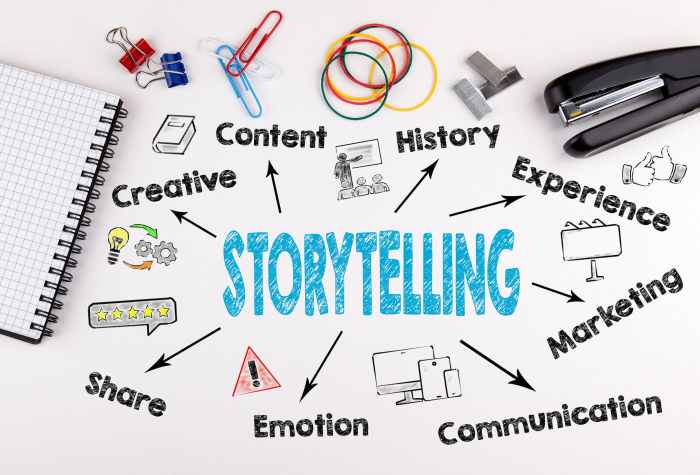
The art of storytelling in business communication: Crafting narratives for success

Storytelling

Embark on a journey into the realm of The art of storytelling in business communication, where narratives intertwine with strategic communication to create powerful connections. Through the lens of spiritual motivation teaching style, we explore the transformative impact of storytelling in the business world, igniting inspiration and fostering growth.

As we delve deeper, we uncover the essence of storytelling as a tool for engagement, persuasion, and building lasting relationships in the corporate landscape.

The Importance of Storytelling in Business Communication

Storytelling in business communication is a powerful tool that can help companies connect with their audience on a deeper level. By using stories, businesses can capture the attention of their customers, employees, and stakeholders in a more engaging and memorable way.

Enhancing Brand Identity

Using storytelling effectively can help businesses build a strong brand identity. For example, companies like Apple and Nike are known for their compelling brand stories that resonate with their target audience. Apple’s story of innovation and creativity has helped them create a loyal customer base, while Nike’s stories of perseverance and achievement have inspired athletes worldwide.

Creating Emotional Connections

Storytelling has the ability to evoke emotions and create a connection with the audience. When businesses share stories that resonate with their audience’s values and beliefs, they can build trust and loyalty. For instance, Dove’s “Real Beauty” campaign used storytelling to promote self-confidence and body positivity, resulting in a strong emotional connection with consumers.

Engaging Employees

In addition to external communication, storytelling is also important for internal communication within a business. By sharing stories that align with the company’s values and goals, businesses can engage and motivate employees. Companies like Google and Zappos use storytelling to inspire their employees and foster a positive company culture.

Elements of a Compelling Business Story

In crafting a compelling business story, there are key elements that play a crucial role in engaging the audience and effectively conveying the message. These elements include characters, conflict, and resolution, which work together to create a story that resonates with the audience and leaves a lasting impact.

Role of Characters

Characters are the heart of any story, including a business narrative. By introducing relatable and compelling characters, such as employees, customers, or even the brand itself, you can humanize your story and make it more relatable to your audience. Characters provide a personal touch to the story, helping to build emotional connections and keep the audience engaged.

Role of Conflict

Conflict is essential in business storytelling as it creates tension and drives the narrative forward. Whether it’s a challenge faced by the company, a problem that needs to be solved, or a decision that needs to be made, conflict adds depth and complexity to the story.

By showcasing how the characters navigate through the conflict, you can demonstrate resilience, problem-solving skills, and the values of the brand.

Role of Resolution

Resolution is the culmination of the story, where the conflict is resolved, and the characters experience growth or transformation. It is essential to provide a satisfying resolution that ties up loose ends and delivers a clear message to the audience.

The resolution should align with the brand’s values and objectives, leaving a lasting impression on the audience.

Incorporating Brand Message

To effectively incorporate a brand’s message into a story, it is crucial to seamlessly integrate it into the narrative without sounding forced or promotional. One way to do this is by aligning the brand’s values and mission with the actions and decisions of the characters in the story.

By weaving the brand message organically into the storyline, you can create a powerful narrative that resonates with the audience and reinforces brand identity.

Tailoring Stories for Different Business Purposes

Storytelling in business communication varies depending on the purpose and audience. Whether it’s for internal communication within the company or external communication with clients, investors, or the public, the way stories are crafted can have a significant impact on the message conveyed.

Internal Communication

Internal storytelling within a business is crucial for fostering a sense of community, aligning employees with the company’s mission, and boosting morale. Examples of how storytelling can be used internally include sharing success stories of team members, highlighting the company’s values through narratives, and communicating changes or challenges in a more engaging way.

Marketing

In marketing, storytelling is a powerful tool to connect with customers on an emotional level, build brand loyalty, and differentiate a company from competitors. Marketers often use customer testimonials, brand origin stories, and product narratives to create a compelling message that resonates with the target audience.

Employee Engagement

Storytelling can also be leveraged to enhance employee engagement by providing context for company goals, inspiring teamwork, and recognizing individual contributions. For instance, leaders can share stories of company milestones, personal growth journeys, or examples of collaboration to motivate and engage employees.

Investor Relations

When it comes to investor relations, storytelling can help build trust, showcase the company’s potential, and explain complex financial information in a more digestible format. Companies may use narratives to explain their growth strategy, highlight key performance indicators, or share success stories to attract and retain investors.

Adjusting Storytelling Techniques

To tailor stories effectively for different business purposes, it’s essential to consider the target audience and communication goals. Understanding the preferences, interests, and concerns of the audience can guide the tone, style, and content of the story. Whether it’s adapting the narrative structure, incorporating data and statistics, or emphasizing emotional appeal, adjusting storytelling techniques can enhance the impact and effectiveness of the message delivered.

Using Data and Statistics in Business Storytelling

Storytelling

In the world of business communication, data and statistics play a crucial role in adding credibility to our narratives. Incorporating relevant data into our stories can help us make a stronger impact on our stakeholders and decision-makers.

Integrating Data for Credibility

Utilizing data and statistics in business storytelling can enhance the credibility of our messages. By presenting factual information, we can build trust with our audience and demonstrate a thorough understanding of the topic at hand.

  • Supporting Claims: Data can be used to back up our statements and claims, providing concrete evidence to support our arguments.
  • Enhancing Persuasiveness: Statistics can help make our stories more persuasive, influencing the opinions and decisions of our audience.
  • Establishing Authority: By incorporating data from reputable sources, we can position ourselves as authoritative figures in our field.

Balancing Data with Compelling Narratives

While data is essential for credibility, it is equally important to balance it with compelling narratives to engage our audience on an emotional level. Striking the right balance between data-driven insights and storytelling can make our messages more memorable and impactful.

  • Humanizing Data: Transforming data into relatable stories can help humanize the information, making it easier for stakeholders to connect with the message.
  • Creating Visualizations: Visual aids such as charts, graphs, and infographics can make complex data more digestible and engaging for our audience.
  • Weaving a Story: Incorporating data points into a cohesive narrative can provide context and meaning to the numbers, helping our audience better understand the significance of the information.

Presenting Data to Stakeholders

When presenting complex data to stakeholders, visual aids and storytelling can be powerful tools to convey our message effectively. By combining data with compelling narratives, we can ensure that our audience not only understands the information but also internalizes it and acts upon it.

  • Engaging Visuals: Using charts, graphs, and other visual aids can help stakeholders grasp complex data quickly and easily.
  • Storytelling Techniques: Incorporating storytelling elements such as characters, conflicts, and resolutions can make data presentations more engaging and memorable.
  • Call to Action: By ending our data-driven stories with a clear call to action, we can inspire stakeholders to make informed decisions based on the information presented.

Education and Training in Business Storytelling

In the realm of business communication, the art of storytelling plays a crucial role in engaging audiences and conveying messages effectively. Education and training programs focused on enhancing storytelling skills for business professionals are invaluable in honing this essential skill set.

Role of Education and Training Programs

Education and training programs provide business professionals with the necessary tools and techniques to craft compelling narratives that resonate with their target audience. These programs often cover aspects such as structuring a story, using emotions to connect with listeners, and incorporating data and statistics effectively.

  • One example of a course that focuses on business storytelling is “Strategic Storytelling for Business” offered by leading business schools. This course equips participants with the skills to create persuasive narratives for various business scenarios.
  • Workshops like “Storytelling for Sales Professionals” are designed to help sales teams harness the power of storytelling to drive sales and build strong client relationships.

Benefits of Continuous Learning

Continuous learning in the realm of business storytelling offers numerous benefits for professionals looking to enhance their communication skills.

  • Enhanced Communication Skills: Continuous education and training help professionals improve their storytelling abilities, leading to clearer and more impactful communication with clients, colleagues, and stakeholders.
  • Increased Engagement: Learning how to craft compelling stories can captivate audiences and hold their attention, making business messages more memorable and impactful.
  • Adaptability: Continuous learning allows professionals to adapt their storytelling techniques to different business contexts, ensuring that their narratives are relevant and effective in various scenarios.

Concluding Remarks

Storytelling

In conclusion, The art of storytelling in business communication transcends mere words; it is a tapestry of emotions, insights, and values that resonate with audiences on a profound level. By embracing the art of storytelling, businesses can harness the true power of narrative to captivate hearts and minds, driving success and meaningful connections in the ever-evolving world of commerce.

Teaching Empathy and Social Skills: Nurturing Compassionate Connections

Empathy biglifejournal strategies

Teaching empathy and social skills opens the door to a transformative journey, where students learn the art of understanding and connecting with others on a deeper level. This enriching experience not only benefits academic growth but also fosters a sense of compassion and unity in our shared human experience.

As we delve into the realms of empathy and social skills, we uncover profound insights that shape not only our interactions in the classroom but also our interactions in the world at large.

Introduction to Teaching Empathy and Social Skills

Empathy can be defined as the ability to understand and share the feelings of others, while social skills refer to the skills needed to interact effectively with others in social situations. In an educational context, teaching empathy and social skills is crucial for helping students develop strong relationships, communicate effectively, and navigate social challenges.

It is important to teach empathy and social skills in schools and universities because these skills are essential for fostering a positive and inclusive learning environment. By learning how to empathize with others and communicate effectively, students can build stronger relationships with their peers, teachers, and the community at large.

These skills also help students develop emotional intelligence, conflict resolution abilities, and a sense of compassion towards others.

Benefits of Teaching Empathy and Social Skills

  • Improved communication: Teaching empathy and social skills helps students learn how to express themselves clearly and listen actively to others, leading to better communication in academic and personal settings.
  • Enhanced teamwork: Empathy and social skills enable students to work collaboratively with their peers, respect diverse perspectives, and contribute positively to group projects and discussions.
  • Reduced conflict: By understanding others’ emotions and viewpoints, students can resolve conflicts peacefully, build trust, and create a harmonious learning environment.
  • Increased emotional intelligence: Empathy and social skills empower students to recognize and manage their own emotions effectively, as well as understand and respond to the emotions of others in a supportive manner.

Strategies for Teaching Empathy

Teaching empathy is a crucial aspect of creating a positive and inclusive learning environment. By fostering empathy in students, educators can help them develop a deeper understanding of others’ perspectives and experiences. Here are some effective strategies for teaching empathy in the classroom:

1. Encourage Perspective-Taking Activities

  • Engage students in role-playing scenarios where they have to imagine themselves in someone else’s shoes.
  • Provide opportunities for students to share their own experiences and listen to those of their peers.
  • Use literature and storytelling to help students understand different viewpoints and emotions.

2. Practice Active Listening

  • Teach students the importance of listening attentively to others without interrupting.
  • Encourage students to ask clarifying questions to show they are engaged in the conversation.
  • Model active listening behaviors and provide feedback to students on their listening skills.

3. Promote Collaboration and Cooperation

  • Assign group projects that require students to work together towards a common goal.
  • Encourage students to resolve conflicts peacefully and respectfully.
  • Highlight the value of teamwork and how it contributes to a supportive community.

4. Cultivate Empathy Through Community Service

  • Organize volunteer opportunities or community service projects for students to participate in.
  • Reflect on the impact of their actions on others and discuss how they can make a difference in their community.
  • Connect service experiences to real-world issues to deepen students’ understanding of empathy and social responsibility.

Incorporating Social Skills in Education

Empathy biglifejournal strategies

Integrating social skills into education is crucial for fostering a holistic development in students. These skills not only enhance interpersonal relationships but also contribute to academic success and overall well-being.

Connection between Social Skills and Academic Success

  • Social skills play a significant role in enhancing classroom dynamics and fostering a positive learning environment.
  • Students with well-developed social skills are more likely to engage in collaborative learning activities and group projects effectively.
  • Effective communication and conflict resolution skills can lead to improved academic performance and higher levels of engagement in the classroom.

Integrating Social Skills Training into the Curriculum

  • Embedding social skills training in the curriculum can be achieved through dedicated lessons or integrated activities within various subjects.
  • Teachers can incorporate role-playing exercises, group discussions, and peer-to-peer feedback sessions to help students develop empathy, active listening, and problem-solving skills.
  • Encouraging teamwork and cooperation through collaborative projects can provide valuable opportunities for students to practice and enhance their social skills.

Improved Collaboration and Communication among Students

  • Developing social skills can lead to improved collaboration among students by fostering a sense of mutual respect, understanding, and empathy.
  • Effective communication skills enable students to express their thoughts and ideas clearly, leading to better teamwork and project outcomes.
  • By cultivating social skills, students learn to work harmoniously with their peers, contributing to a positive and inclusive school culture.

Importance of Emotional Intelligence in Education

Emotional intelligence plays a crucial role in teaching empathy and social skills as it involves the ability to recognize, understand, and manage emotions in oneself and others. By developing emotional intelligence, students can better navigate social interactions, show empathy towards others, and build stronger relationships.

Impact of Emotional Intelligence on Students’ Academic Performance

Emotional intelligence has a significant impact on students’ academic performance. When students are able to regulate their emotions effectively, they can stay focused, manage stress, and make better decisions. This leads to improved concentration, problem-solving skills, and overall academic achievement.

  • Students with high emotional intelligence are better equipped to handle challenges and setbacks, leading to increased resilience and perseverance in their academic pursuits.
  • Emotional intelligence helps students in building positive relationships with teachers and peers, creating a conducive learning environment that promotes collaboration and support.
  • Students with strong emotional intelligence are more likely to exhibit pro-social behaviors, such as helping others, resolving conflicts peacefully, and showing empathy towards their classmates.

Enhancing Emotional Intelligence in Students

To enhance emotional intelligence in students, educators can implement various strategies in the classroom:

  1. Teach self-awareness: Encourage students to identify and understand their own emotions by engaging in activities like journaling, reflection, or mindfulness exercises.
  2. Promote empathy: Create opportunities for students to practice empathy by engaging in perspective-taking activities, discussing diverse perspectives, and participating in community service projects.
  3. Teach emotional regulation: Provide students with tools and techniques to manage their emotions effectively, such as deep breathing exercises, progressive muscle relaxation, or guided imagery.
  4. Foster social skills: Teach students how to communicate effectively, actively listen, collaborate with others, and resolve conflicts in a constructive manner.

Training Teachers to Foster Empathy

Empathy is a crucial skill that teachers need to cultivate in order to create a positive and inclusive learning environment. By training educators to promote empathy in the classroom, we can help students develop better social skills, emotional intelligence, and overall well-being.

Importance of Educator Training

  • Professional development programs can provide teachers with the necessary tools and techniques to enhance their empathy skills.
  • Training educators to foster empathy can lead to improved communication, conflict resolution, and relationship-building within the classroom.
  • Teachers who practice empathy are better equipped to understand and support the diverse needs of their students, leading to a more inclusive and supportive learning environment.

Strategies for Enhancing Teacher Empathy

  • Encourage self-reflection and mindfulness practices to help teachers become more aware of their own emotions and reactions.
  • Provide opportunities for teachers to engage in empathy-building exercises and role-playing scenarios.
  • Offer resources and support for teachers to develop their emotional intelligence and communication skills.

Impact of Teacher Empathy on Classroom Dynamics

  • Teacher empathy can strengthen student-teacher relationships, leading to increased trust, respect, and collaboration in the classroom.
  • Students are more likely to feel safe, valued, and understood when teachers demonstrate empathy, creating a positive learning environment for all.
  • Empathetic teachers can effectively manage conflicts, address challenging behaviors, and promote a culture of kindness and compassion among students.

Online Learning and Teaching Empathy

Teaching empathy and social skills in online platforms presents a unique set of challenges and opportunities for educators. Virtual learning environments require innovative strategies to effectively promote empathy and connection among students.

Utilizing Online Platforms for Empathy Training

  • Utilize video conferencing tools to facilitate group discussions and role-playing exercises focused on empathy.
  • Encourage students to participate in online forums and engage in virtual peer-to-peer support activities to foster empathy.
  • Incorporate multimedia resources such as videos, podcasts, and interactive simulations to enhance understanding and empathy towards others.

Challenges and Opportunities of Online Empathy Training

  • Challenge: Limited non-verbal cues in online communication may hinder the development of empathy.
  • Opportunity: Encourage students to practice active listening and use emoticons or emojis to express emotions effectively.
  • Challenge: Difficulty in creating a safe and supportive online environment for vulnerable students.
  • Opportunity: Implement clear guidelines for respectful communication and provide virtual counseling services for students in need of additional support.

Strategies for Promoting Empathy in Online Classrooms

  • Assign collaborative projects that require students to work together and practice empathy towards their peers.
  • Use case studies and real-life scenarios to prompt discussions on empathy and perspective-taking in virtual classrooms.
  • Integrate mindfulness and self-reflection exercises to enhance students’ emotional awareness and empathy towards others.

Conclusive Thoughts

In conclusion, teaching empathy and social skills is not just a task but a sacred duty that paves the way for a brighter, more harmonious future. Let us continue to nurture these qualities in ourselves and in others, creating a ripple effect of kindness and understanding that transcends borders and transforms lives.

Exploring Educational Assessment and Evaluation Methods

Outcomes

Delving into Educational assessment and evaluation methods, this introduction immerses readers in a unique and compelling narrative that is both engaging and thought-provoking.

Educational assessment plays a crucial role in shaping student learning outcomes, guiding educational practices, and fostering continuous improvement. In this exploration, we will journey through various assessment and evaluation methods, unveiling their significance and impact in the realm of education.

Introduction to Educational Assessment and Evaluation Methods

Assessing and evaluating student learning is a crucial aspect of the educational process. It helps educators understand the effectiveness of their teaching methods and allows students to demonstrate their knowledge and skills. Let’s delve into the importance of educational assessment and the difference between assessment and evaluation in an educational context.

Importance of Educational Assessment

Educational assessment plays a vital role in measuring student learning outcomes. It provides valuable insights into individual student progress, identifies areas for improvement, and guides instructional decisions. By assessing students’ knowledge and skills, educators can tailor their teaching strategies to meet the diverse needs of learners.

Assessment vs. Evaluation

Assessment and evaluation are often used interchangeably, but they serve distinct purposes in education. Assessment focuses on gathering information about students’ learning progress through various methods such as quizzes, tests, projects, and observations. Evaluation, on the other hand, involves making judgments about the quality of student work based on established criteria.

While assessment informs instruction, evaluation determines the overall effectiveness of the learning process.

Examples of Assessment and Evaluation Methods

  • Formative Assessment:Ongoing assessments conducted during the learning process to provide feedback and guide instruction.
  • Summative Assessment:Assessments administered at the end of a unit or course to evaluate student learning outcomes.
  • Performance Tasks:Hands-on activities that require students to apply their knowledge and skills in real-world scenarios.
  • Rubrics:Criteria-based assessment tools used to evaluate student work according to predetermined standards.

Types of Educational Assessment Methods

Educational assessment methods play a crucial role in evaluating student learning and providing valuable feedback to both learners and educators. There are various types of assessment methods used in educational settings, each serving a specific purpose in measuring student progress and understanding.

Formative Assessment

Formative assessment is an ongoing process that helps teachers and students monitor learning progress during the instructional period. It provides immediate feedback to students, allowing them to identify areas of strength and weakness, and make necessary adjustments to improve their learning.

Formative assessment techniques can include quizzes, discussions, homework assignments, and peer assessments.

Summative Assessment

Summative assessment, on the other hand, is typically conducted at the end of a course or program to evaluate student learning outcomes. This type of assessment assesses the overall understanding of the material covered and measures the achievement of learning objectives.

Examples of summative assessments include final exams, standardized tests, and end-of-year projects.

Traditional Assessments vs. Alternative Assessments

Traditional assessments, such as exams and quizzes, have been widely used in education to measure student knowledge and understanding. These assessments are typically scored objectively and focus on testing content knowledge and recall.

On the other hand, alternative assessments, like projects and portfolios, offer a more holistic approach to evaluating student learning. These assessments allow students to demonstrate their knowledge and skills through real-world applications and creative projects. Alternative assessments promote critical thinking, problem-solving, and creativity, providing a more comprehensive view of student abilities.

Strategies for Effective Assessment and Evaluation

Effective assessment and evaluation are crucial in determining the progress and success of students in their learning journey. By implementing best practices in designing assessment tasks, educators can ensure that these tasks align with the learning objectives set for the students.

Designing Assessment Tasks

  • Clearly Artikel the learning objectives that the assessment task is aiming to measure.
  • Ensure that the assessment task is varied and caters to different learning styles and preferences.
  • Include real-life scenarios and problems that require critical thinking and application of knowledge.

Utilizing Rubrics for Evaluation

Rubrics play a significant role in standardizing evaluation criteria and providing clear feedback to students. They help educators in establishing consistent standards for assessment and ensure that students understand the expectations for each task.

Rubrics provide a roadmap for students to follow, guiding them on how to achieve success in their assessments.

Importance of Authentic Assessment

Authentic assessment goes beyond traditional testing methods and focuses on measuring real-world skills and the application of knowledge. By incorporating authentic assessment tasks, educators can better evaluate students’ abilities to apply their learning in practical situations.

  • Include project-based assessments that require students to demonstrate their skills in a real-world context.
  • Utilize performance tasks that assess students’ ability to apply knowledge in authentic scenarios.
  • Encourage self-reflection and peer evaluation to provide a holistic view of students’ progress.

Technology in Educational Assessment

Technology has revolutionized the field of educational assessment, providing new tools and methods to evaluate student learning. From online quizzes to automated grading systems, technology offers numerous advantages and challenges when it comes to assessing student performance.

Role of Technology in Modern Assessment Methods

Technology plays a crucial role in modern assessment methods by offering efficient ways to collect, analyze, and interpret data related to student learning. Online quizzes, for example, allow educators to quickly assess student knowledge and provide immediate feedback. Automated grading systems help save time and reduce human error in grading assignments and exams.

Benefits of Using Technology for Assessment Purposes

  • Efficiency: Technology streamlines the assessment process, saving time for educators and students.
  • Accuracy: Automated grading systems ensure consistent and objective evaluation of student work.
  • Immediate Feedback: Online tools provide instant feedback to students, helping them identify areas for improvement.

Challenges of Using Technology for Assessment Purposes

  • Technical Issues: Technology can sometimes be unreliable, leading to disruptions in the assessment process.
  • Security Concerns: Protecting student data and maintaining the integrity of assessments can be challenging in an online environment.
  • Equity: Not all students may have equal access to technology, creating disparities in assessment opportunities.

Examples of Educational Assessment Tools and Software

Tool/Software Features
Google Forms Allows educators to create online surveys and quizzes, with automatic grading and data analysis.
Turnitin Helps detect plagiarism in student submissions and provides feedback on originality.
Kahoot! Engages students in interactive quizzes and games to assess learning in a fun and interactive way.

Assessment for Diverse Learners

Outcomes

In the educational setting, it is essential to consider the diverse needs of all learners when designing assessment methods. By implementing strategies that accommodate diverse learners, such as students with disabilities and English language learners, educators can ensure fair and inclusive assessment practices.Universal design for learning (UDL) is a framework that promotes the design of flexible learning environments to accommodate a wide range of learners.

When applied to assessment practices, UDL focuses on creating assessments that provide multiple means of representation, engagement, and expression to meet the needs of all students.

Universal Design for Learning in Assessment

  • UDL principles in assessment involve providing varied formats for presenting assessment tasks, such as verbal, visual, or hands-on options.
  • Offering multiple ways for students to demonstrate their understanding, whether through written responses, oral presentations, or multimedia projects.
  • Allowing for flexible timing or alternative assessment methods for students who may require accommodations due to disabilities or language barriers.

Inclusive Assessment Practices

  • Creating assessments that are culturally responsive and consider the backgrounds and experiences of all students.
  • Providing clear instructions and support resources to help students navigate the assessment process.
  • Implementing peer-assessment or self-assessment opportunities to encourage student reflection and feedback.

Assessment Ethics and Integrity

In the field of educational assessment, ethics and integrity play a crucial role in ensuring fairness, objectivity, and reliability in the evaluation process. It is essential to uphold ethical standards to maintain the trust and credibility of assessment results.

Ethical Considerations in Educational Assessment

Ethical considerations in educational assessment encompass various aspects, including fairness, bias, and confidentiality. Fairness involves ensuring that all students have equal opportunities to demonstrate their knowledge and skills without any form of discrimination. Assessment tools and methods should be designed in a way that minimizes bias and accurately reflects the abilities of diverse student populations.

Confidentiality is another key ethical consideration, where the privacy of student information and assessment results must be protected to maintain trust and respect for individuals’ data.

  • Assessment Fairness: It is crucial to design assessments that are fair and unbiased, taking into account the diverse backgrounds and experiences of students.
  • Bias Mitigation: Educators should be aware of potential biases in assessment tools and work to minimize their impact on students’ performance.
  • Confidentiality: Protecting the confidentiality of student assessment data is essential to maintain trust and integrity in the assessment process.

Importance of Academic Integrity in Assessment Processes

Maintaining academic integrity in assessment processes is fundamental to upholding the value of education and ensuring the credibility of academic achievements. Academic integrity encompasses honesty, transparency, and ethical behavior in all aspects of teaching and learning. It promotes a culture of trust and respect among students, educators, and educational institutions.

  • Honesty: Encouraging students to demonstrate honesty in their work and assessments fosters a culture of academic integrity.
  • Transparency: Clearly outlining assessment expectations and criteria helps students understand the standards of academic integrity.
  • Ethical Behavior: Upholding ethical principles in the assessment process promotes fairness, equity, and respect for all individuals involved.

Examples of Unethical Assessment Practices and Impact

Unethical assessment practices, such as cheating, plagiarism, and favoritism, can have detrimental effects on students and educational institutions. These practices undermine the integrity of assessments, devalue academic achievements, and erode trust within the educational community.

  • Cheating: Students who engage in cheating compromise their own learning and academic integrity, leading to unfair advantages and dishonest outcomes.
  • Plagiarism: Copying or using someone else’s work without proper attribution is a form of academic dishonesty that devalues originality and undermines the learning process.
  • Favoritism: Showing preferential treatment to certain students in assessments can create disparities in grading and opportunities, affecting the overall fairness and credibility of the assessment process.

Last Point

As we conclude our exploration of Educational assessment and evaluation methods, remember that assessment is not just about measuring knowledge but about nurturing growth and development. Let us embrace these methods with a mindful approach, understanding their power to shape the future of education and empower learners on their educational journey.