Universities with the best student organizations: Fostering Growth and Success

Unam universitaria universidades convenio seguros espacios uam

Embark on a journey through the realm of universities with the best student organizations, where vibrant student life and personal development intertwine to create a transformative experience. Explore the impact of these organizations on campus life and the valuable skills they impart to students.

Delve into the diverse world of student groups, from academic to interest-based, and uncover the benefits of active involvement in these organizations.

Top Universities with the Best Student Organizations

Unam universitaria universidades convenio seguros espacios uam

Universities are known for their vibrant student organizations that play a crucial role in enhancing campus life and the overall student experience.

Impact of Student Organizations on Campus Life

Student organizations create a sense of community and belonging among students, fostering social connections and support systems that extend beyond the classroom.

These organizations often organize events, workshops, and activities that promote cultural exchange, diversity, and personal growth.

Contribution to Personal Growth and Skill Development

Being part of a student organization allows students to develop leadership, communication, and teamwork skills, which are essential for their future careers.

Through participation in various activities and projects, students can explore their interests, discover new talents, and build a well-rounded skill set.

Benefits of joining student organizations

Joining student organizations can bring a plethora of benefits to students, both personally and professionally. It provides opportunities for networking, skill development, leadership experience, and a sense of belonging within the campus community.

Professional Development

  • Gain valuable leadership skills through holding positions in the organization.
  • Enhance communication and teamwork abilities by collaborating with diverse groups of individuals.
  • Acquire real-world experience that can be added to your resume, making you more attractive to potential employers.

Personal Growth

  • Develop time management and organizational skills as you balance academic responsibilities with your involvement in the organization.
  • Build self-confidence and self-esteem through successful project completion and public speaking engagements.
  • Expand your social circle and make lifelong friendships with like-minded peers.

Networking Opportunities

  • Connect with alumni and professionals in your field of interest, opening doors for internships and job opportunities.
  • Attend conferences, workshops, and events that can broaden your knowledge and expose you to new ideas.
  • Establish a support system of mentors who can guide you in your academic and career pursuits.

Success Stories

One inspiring success story comes from Sarah, a student who joined the Marketing Club at her university. Through her involvement, she gained hands-on experience by leading a marketing campaign for a local nonprofit organization. This experience not only solidified her interest in marketing but also helped her secure a competitive internship at a renowned marketing firm.

Sarah credits her time in the student organization for providing her with the practical skills and confidence needed to excel in her career.Overall, joining student organizations can enrich your college experience, help you grow both personally and professionally, and set you on the path to success in your future endeavors.

Types of student organizations available

Student organizations play a crucial role in enhancing the overall university experience by providing opportunities for personal growth, networking, and skill development. These organizations come in various forms, catering to a wide range of interests and passions. Let’s explore the different types of student organizations commonly found in universities.

Academic Organizations

Academic organizations focus on enhancing learning outside the classroom. These groups often host study sessions, academic competitions, guest lectures, and workshops related to specific fields of study. Participating in academic organizations can help students deepen their knowledge, develop critical thinking skills, and build relationships with peers who share similar academic interests.

Social Organizations

Social organizations aim to foster a sense of community and belonging among students. These groups organize social events, community service projects, and networking opportunities. By joining social organizations, students can form meaningful friendships, improve their communication skills, and contribute positively to the campus community.

Cultural Organizations

Cultural organizations celebrate diversity and promote cross-cultural understanding. These groups organize cultural festivals, food tastings, language exchange programs, and awareness campaigns. Joining cultural organizations allows students to explore different traditions, broaden their perspectives, and create a more inclusive campus environment.

Interest-Based Organizations

Interest-based organizations cater to specific hobbies, passions, or causes. These groups can range from sports clubs and performing arts ensembles to environmental advocacy groups and entrepreneurship societies. By participating in interest-based organizations, students can pursue their passions, develop new skills, and make a positive impact in their areas of interest.

Diversity and Inclusivity

Diversity and inclusivity are essential aspects of student organizations. By embracing diversity in membership, leadership, and programming, student organizations can create a welcoming and supportive environment for all students. Inclusivity ensures that every student feels valued, respected, and empowered to participate fully in the organization’s activities and initiatives.

Embracing diversity and inclusivity not only enriches the student experience but also contributes to a more vibrant and harmonious campus community.

How universities support student organizations

Universities play a crucial role in supporting student organizations by providing various resources and support systems to help them thrive on campus.

Resources and Support Systems

  • Financial Assistance: Universities often allocate funds to student organizations for events, activities, and projects.
  • Meeting Spaces: Universities offer meeting rooms and facilities where student organizations can gather and plan their initiatives.
  • Administrative Support: Universities provide administrative guidance and assistance in organizing events, managing budgets, and navigating policies.
  • Promotion and Marketing: Universities help student organizations promote their activities through campus-wide communication channels.

Role of Faculty Advisors

Faculty advisors play a crucial role in guiding and mentoring student groups by offering their expertise, experience, and support. They provide valuable insights, help students navigate challenges, and ensure the organization aligns with the university’s mission and values.

Successful Collaborations

Examples of successful collaborations between student organizations and university administration include:

  • Collaborative Events: Hosting joint events that bring together students, faculty, and staff to foster community engagement.
  • Professional Development Opportunities: Partnering with university departments to provide workshops, seminars, and networking events for skill development.
  • Advocacy and Support: Working together to address student concerns, advocate for change, and create a more inclusive campus environment.

Impact of student organizations on post-graduation success

Participating in student organizations during your university years can have a significant impact on your post-graduation success. It goes beyond just academic achievements and can shape your future in unexpected ways.

Enhanced Skill Development

Engaging in student organizations allows you to develop a wide range of skills that are highly sought after by employers. These include leadership, teamwork, communication, time management, and problem-solving skills. Employers value candidates who possess these skills as they are essential in the professional world.

  • Leadership skills are honed through taking on roles within the organization, such as president or committee chair.
  • Teamwork is fostered through collaborating with peers on projects and initiatives.
  • Communication skills are improved through interactions with diverse groups of people.
  • Time management is crucial when balancing academic responsibilities with organizational commitments.
  • Problem-solving skills are sharpened when facing challenges within the organization and finding creative solutions.

Networking Opportunities

Being part of a student organization provides you with valuable networking opportunities. You can connect with like-minded individuals, alumni, and professionals in your field of interest. These connections can open doors to internships, job opportunities, and mentorship programs, giving you a head start in your career.

Remember, networking is not just about who you know, but also about who knows you.

Research Findings

Research has shown a strong correlation between extracurricular involvement and future success. According to a study by the National Association of Colleges and Employers, employers look for candidates with leadership experience, involvement in campus organizations, and a strong work ethic.

These qualities are often gained through active participation in student organizations.

Transferable Skills to the Professional World

The skills acquired through involvement in student organizations are highly transferable to the professional world. Employers recognize the value of these skills and how they contribute to a candidate’s overall success in the workplace. By showcasing your experiences in student organizations on your resume and during interviews, you can demonstrate your ability to excel in a professional setting.Remember, the impact of student organizations on your post-graduation success extends far beyond your time in university.

Embrace these opportunities for growth and development, and watch how they shape your future endeavors.

Closing Summary

As we conclude our exploration of universities with the best student organizations, remember that participation in these groups not only enriches your college experience but also equips you with essential skills for future success. Embrace the opportunities that student organizations offer and watch yourself grow into a well-rounded individual ready to conquer the world.

Universities with unique study programs: Opening Doors to Limitless Opportunities

Estudios psicología universidad sabana psicologia maestria componentes maestría contempla profundización fundamentación varios investigación

Universities with unique study programs offer a transformative journey for students seeking knowledge beyond the ordinary. These programs pave the way for a holistic educational experience that goes beyond textbooks, embracing innovation, interdisciplinary approaches, global perspectives, and personalized learning paths.

Let’s embark on a spiritual quest through the realm of higher education, exploring the uncharted territories of academic excellence and personal growth.

As we delve deeper into the realm of universities with unique study programs, we uncover a tapestry of opportunities that ignite curiosity, foster creativity, and nurture the soul.

Unique Study Programs at Universities

Universities around the world offer a variety of unique study programs that set them apart from others. These programs are designed to provide students with specialized knowledge and skills that are not typically found in traditional academic settings.

Forensic Science Program

Forensic science programs at universities are unique in that they combine elements of biology, chemistry, and criminal justice to help students solve crimes and bring justice to victims. Students learn how to analyze evidence, interpret data, and present findings in court.

Adventure Education Program

Adventure education programs focus on outdoor experiential learning, teaching students how to lead wilderness expeditions, facilitate team-building activities, and promote environmental stewardship. This hands-on approach to education allows students to develop leadership skills and a deep connection to nature.

Ethical Hacking Program

Ethical hacking programs train students to identify and address security vulnerabilities in computer systems and networks. By teaching students how to think like hackers, these programs help organizations protect their data and prevent cyber attacks.

Innovative Teaching Methods

In the realm of academia, innovative teaching methods play a crucial role in shaping the learning experience for students. These methods go beyond traditional lectures and textbooks to engage students in a more interactive and immersive way, ultimately enhancing their understanding and retention of the material.One of the innovative teaching methods used in universities with unique study programs is the flipped classroom model.

In this approach, students are required to review course material before class and then engage in discussions, activities, and problem-solving during class time. This active learning strategy encourages students to take ownership of their learning process and promotes deeper understanding of the subject matter.Another innovative method is project-based learning, where students work on real-world projects that are relevant to their field of study.

This hands-on approach allows students to apply theoretical knowledge to practical situations, fostering critical thinking, problem-solving skills, and creativity. By working collaboratively on projects, students also develop important teamwork and communication skills.In comparison to traditional teaching approaches, these innovative methods provide a more dynamic and engaging learning environment.

Students are actively involved in the learning process, which can lead to increased motivation, participation, and overall academic performance. Additionally, these methods cater to different learning styles, allowing students to learn at their own pace and in a way that best suits their needs.Overall, innovative teaching methods in universities with unique study programs are instrumental in creating a stimulating and effective learning experience for students, preparing them for success in their future careers.

Interdisciplinary Approach

In education, an interdisciplinary approach involves integrating knowledge and methods from multiple disciplines to address complex real-world problems. By combining insights and perspectives from various fields, students gain a comprehensive understanding of issues and develop critical thinking skills to find innovative solutions.

Examples of Universities Implementing Interdisciplinary Study Programs

  • Stanford University: Stanford offers interdisciplinary programs such as the Stanford Institute for Human-Centered Artificial Intelligence, bringing together experts from computer science, psychology, ethics, and other fields to study the societal impact of AI.
  • University of California, Berkeley: UC Berkeley’s Energy and Resources Group combines studies in engineering, economics, and environmental science to tackle sustainability challenges.
  • Massachusetts Institute of Technology (MIT): MIT’s Media Lab is known for its interdisciplinary research in technology, media, and design, fostering creativity and innovation.

Advantages of Interdisciplinary Studies for Students

  • Enhanced Problem-Solving Skills: Through exposure to diverse perspectives, students learn to approach problems from different angles and develop creative solutions.
  • Broadened Knowledge Base: Interdisciplinary studies help students make connections between different fields, leading to a deeper understanding of complex issues.
  • Preparation for Real-World Challenges: In today’s interconnected world, the ability to work across disciplines is crucial for addressing global issues effectively.
  • Cultivation of Critical Thinking: By engaging with multiple disciplines, students learn to think critically, analyze information, and make informed decisions.

Collaborations with Industry Partners

Collaborations with industry partners play a crucial role in enhancing the learning experience for students in unique study programs at universities. By partnering with companies and organizations, universities can provide students with real-world experiences, access to cutting-edge technology, and opportunities for internships and job placements.

Enhancing Practical Skills

Industry collaborations allow students to apply theoretical knowledge gained in the classroom to practical, hands-on projects. This hands-on experience helps students develop essential skills that are highly valued by employers, such as problem-solving, critical thinking, and teamwork. Through industry partnerships, students can work on real projects, interact with industry professionals, and gain insights into the latest trends and technologies in their field of study.

Expanding Networking Opportunities

Collaborating with industry partners also opens up networking opportunities for students. By working closely with professionals in their field, students can build valuable connections that can lead to internships, job opportunities, and mentorship. These connections can be instrumental in helping students kickstart their careers and navigate the professional landscape after graduation.

Success Stories

One notable success story is that of a student who participated in a collaborative project with a tech company. Through this partnership, the student had the opportunity to work on a real-world project, showcasing their skills and creativity. Impressed by the student’s work, the company offered them a full-time position upon graduation.

This success story highlights the tangible benefits of industry collaborations in preparing students for the workforce and helping them secure promising career opportunities.

Global Perspective and Study Abroad Opportunities

Studying abroad offers a unique opportunity for students to gain a global perspective and immerse themselves in different cultures, languages, and ways of thinking. It opens doors to new experiences and perspectives that can greatly enrich their academic and personal growth.

Universities Offering Study Abroad Programs

Several universities around the world offer study abroad programs as part of their unique study programs. These programs allow students to spend a semester or a year studying in a different country, experiencing a new educational system and gaining valuable international exposure.

Importance of a Global Perspective in Education

A global perspective is crucial in today’s interconnected world. It helps students develop a broader understanding of global issues, cultural diversity, and international cooperation. By studying abroad, students can enhance their cross-cultural communication skills and expand their worldview beyond their own borders.

Enhancing Academic and Personal Growth through Study Abroad

Studying abroad not only enhances students’ academic knowledge but also fosters personal growth. It challenges them to step out of their comfort zones, adapt to new environments, and become more independent and resilient. The cultural immersion and diverse experiences gained while studying abroad can shape students into well-rounded individuals with a deeper appreciation for diversity and a broader perspective on life.

Hands-On Learning Experiences

Hands-on learning experiences play a crucial role in unique study programs as they provide students with practical skills and real-world application of theoretical knowledge. By engaging in hands-on activities, students can deepen their understanding of complex concepts and develop problem-solving abilities essential for their future careers.

Significance of Hands-On Learning

Hands-on learning experiences allow students to apply classroom knowledge in real-world scenarios, enhancing their critical thinking and decision-making skills. These experiences also help students develop practical skills, such as teamwork, communication, and adaptability, which are essential for success in their future professions.

  • University of California, Berkeley: UC Berkeley offers a wide range of hands-on learning opportunities through research projects, internships, and fieldwork experiences across various disciplines.
  • Massachusetts Institute of Technology (MIT): MIT emphasizes hands-on learning through its renowned “maker culture” where students have access to state-of-the-art labs and facilities to work on innovative projects.
  • Stanford University: Stanford’s Stanford Real-World Learning (StanRL) program integrates hands-on experiences into the curriculum, providing students with industry-relevant skills and knowledge.

Preparation for Real-World Challenges

Hands-on learning experiences prepare students for real-world challenges by exposing them to authentic problems and situations they may encounter in their future careers. These experiences help students develop practical skills, gain industry exposure, and build a professional network, giving them a competitive edge in the job market.

Personalized Learning Paths

Estudios psicología universidad sabana psicologia maestria componentes maestría contempla profundización fundamentación varios investigación

Personalized learning paths in universities are designed to cater to the unique needs and interests of individual students, allowing them to customize their academic journey according to their strengths, goals, and learning styles. This approach goes beyond traditional one-size-fits-all education, providing students with a more tailored and effective learning experience.

Tailored Curricula and Flexible Scheduling

Universities offering personalized learning paths often allow students to choose from a variety of courses, majors, and electives to create a customized curriculum that aligns with their academic and career aspirations. Additionally, flexible scheduling options such as online classes, evening courses, and accelerated programs enable students to balance their studies with other commitments.

  • Students can select specialized tracks or concentrations within their major to delve deeper into specific areas of interest.
  • Advisors work closely with students to create a personalized academic plan that takes into account their academic background, career goals, and extracurricular interests.
  • Opportunities for independent study, research projects, and internships allow students to gain hands-on experience in their field of study.

By tailoring their education to their individual needs, students can maximize their learning potential and excel in their chosen field.

Supportive Mentoring and Guidance

Institutions with personalized learning paths often provide students with access to dedicated mentors, academic advisors, and career counselors who offer guidance and support throughout their academic journey. This personalized approach ensures that students receive the assistance and resources they need to succeed.

  1. Mentors help students set academic goals, navigate challenges, and explore opportunities for growth and development.
  2. Academic advisors assist students in selecting courses, planning their academic trajectory, and making informed decisions about their educational path.
  3. Career counselors provide guidance on internships, job opportunities, and professional development, helping students prepare for their future careers.

Benefits of Personalized Education

Personalized learning paths offer several benefits to students, including increased motivation, engagement, and academic success. By tailoring their education to their individual needs and interests, students are more likely to stay focused, perform well academically, and achieve their goals.

  • Enhanced student satisfaction and retention rates, as students feel valued and supported in their educational journey.
  • Improved academic outcomes and higher graduation rates, as students receive personalized attention and guidance to help them succeed.
  • Preparation for real-world challenges and career readiness, as students develop critical thinking skills, problem-solving abilities, and practical experience in their field.

Mentorship and Guidance

In the journey of pursuing a unique study program at universities, mentorship and guidance play a crucial role in shaping the academic and professional development of students. Through personalized support and advice, mentors help students navigate challenges, set goals, and unlock their full potential.

Role of Mentors in Students’ Development

Mentors serve as experienced guides who offer valuable insights, encouragement, and feedback to students. They provide academic support, career advice, and help students build essential skills for success. By fostering a nurturing relationship, mentors empower students to grow, learn, and thrive in their chosen field.

  • Mentors offer personalized guidance tailored to the individual needs of students.
  • They help students set academic and career goals, providing clarity and direction.
  • Mentors share their knowledge, experience, and expertise to enhance students’ learning.
  • They help students navigate challenges, overcome obstacles, and build resilience.

Success Stories of Mentorship Programs

Through mentorship programs, students have achieved remarkable success and growth in their academic and professional endeavors. Here are some inspiring stories of students who have benefited from mentorship:

  • A student pursuing a unique study program in sustainable design was guided by a mentor who connected them with industry experts, leading to an internship opportunity at a renowned design firm.
  • Another student exploring a specialized field in artificial intelligence received mentorship from a professor who encouraged them to present their research at a prestigious conference, opening doors to collaboration with leading researchers in the field.
  • A student passionate about social entrepreneurship was mentored by a successful entrepreneur who provided invaluable advice on launching a startup, resulting in the student securing funding and launching their own social enterprise.

Integration of Technology

In today’s digital age, universities are incorporating technology into their unique study programs to enhance the learning experience for students. The integration of technology not only provides innovative solutions but also prepares students for the tech-driven world they will enter upon graduation.

Virtual Reality in Education

Virtual reality (VR) is being used in higher education to create immersive learning experiences for students. Through VR simulations, students can explore complex concepts in a more interactive and engaging way. For example, medical students can practice surgical procedures in a virtual environment before entering a real operating room.

Online Learning Platforms

Universities are utilizing online learning platforms to offer flexible education options to students. These platforms provide access to course materials, lectures, and assignments anytime, anywhere, allowing students to learn at their own pace. This flexibility is especially beneficial for working professionals or students with busy schedules.

Artificial Intelligence in Education

Artificial intelligence (AI) is revolutionizing education by personalizing learning paths for students. AI-powered tools can analyze student performance data and provide customized recommendations to help students improve their understanding of course material. Additionally, AI chatbots are being used to provide instant support and guidance to students.

Augmented Reality for Hands-On Learning

Augmented reality (AR) is being integrated into unique study programs to provide hands-on learning experiences. By overlaying digital information onto the physical world, AR allows students to visualize complex concepts in a more tangible way. For example, engineering students can use AR to simulate building structures and analyze their design choices in real-time.

Closure

In conclusion, universities with unique study programs are not merely institutions of learning but beacons of light guiding students towards a brighter future. By embracing innovation, collaboration, and personalized education, these universities empower individuals to unleash their full potential and embark on a journey of self-discovery and growth.

As we part ways, may the wisdom gained from this exploration inspire you to seek knowledge with an open heart and a curious mind.

Exploring Education and Reference for Career Development

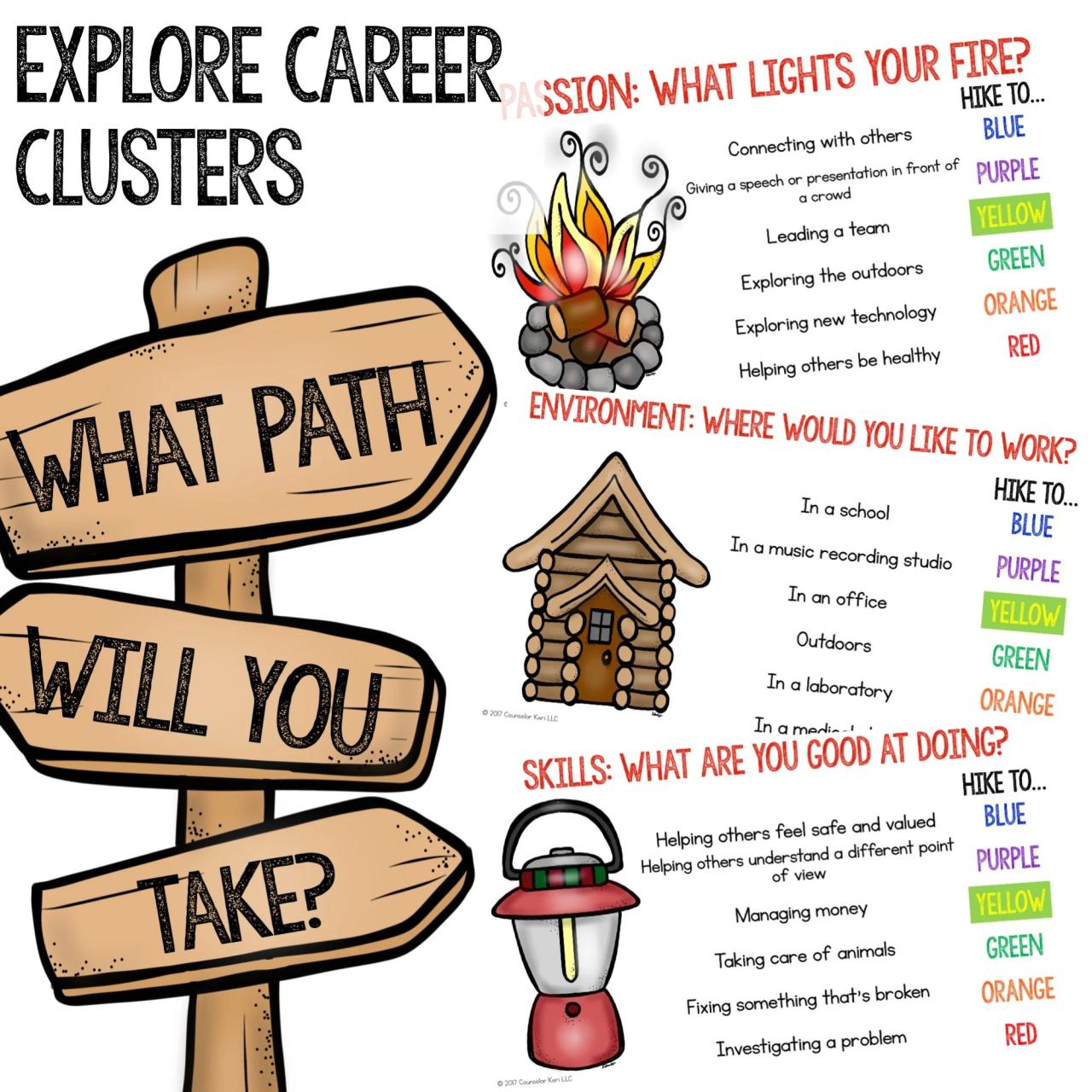
Career exploration infographic talk mind time

Embark on a journey of self-discovery and growth through Education and Reference for career exploration. Discover how these fundamental tools can shape your path towards a fulfilling and successful career.

Unveil the secrets behind the pivotal role of education and reference in unlocking endless possibilities for your professional journey.

Education and Training

Education and training play a crucial role in career exploration as they provide individuals with the necessary knowledge, skills, and qualifications to pursue their desired career paths. Continuous learning and development are essential to staying competitive and relevant in the ever-evolving job market.

Importance of Education and Training

  • Education and training equip individuals with the necessary skills and knowledge required for specific career paths.
  • They provide a strong foundation for career growth and advancement opportunities.
  • Continuous learning through education and training helps individuals adapt to new technologies and trends in their respective industries.

Examples of Education and Training Benefits

  • Obtaining a relevant degree or certification can open up new job opportunities and increase earning potential.
  • Participating in workshops, seminars, and online courses can enhance skills and expand knowledge in a particular field.
  • Internships and on-the-job training provide practical experience and networking opportunities for career development.

Role of Continuous Education

  • Continuous education ensures that individuals stay up-to-date with industry trends, changes, and advancements.
  • It allows professionals to enhance their skills, stay competitive, and adapt to new challenges in the job market.
  • Professional development through continuous education can lead to promotions, salary increases, and overall career satisfaction.

Education and Reference

Education and reference play a crucial role in career exploration. Education provides the foundation of knowledge and skills necessary for different career paths, while reference materials offer valuable insights and information to guide individuals in making informed decisions about their careers.

Access to Educational Resources for Career Decision-making

Having access to educational resources can greatly aid in career decision-making by providing individuals with the necessary information to explore various career options. Educational resources such as books, online courses, workshops, and career counseling services can help individuals gain a better understanding of different industries, job roles, and skill requirements.

By equipping themselves with relevant knowledge and information, individuals can make more informed decisions about their career paths and goals.

Types of References for Career Exploration

  • Online Career Assessment Tools: Websites and platforms that offer career assessment tests can help individuals identify their strengths, interests, and values to match them with suitable career options.
  • Professional Networks: Connecting with professionals in different industries through networking events, social media platforms, and mentorship programs can provide valuable insights and guidance for career exploration.
  • Industry Reports and Publications: Reading industry reports, journals, and publications can help individuals stay updated on current trends, job opportunities, and skill requirements in specific industries.
  • Alumni Networks: Leveraging alumni networks from educational institutions can provide access to valuable connections, advice, and job opportunities within various industries.

College & University

Guidance elementary counseling counselor counselorkeri webstockreview

Attending college or university plays a crucial role in career exploration as it provides students with a diverse range of academic programs and resources to help them discover their interests and talents. Additionally, higher education institutions offer opportunities for networking, mentorship, and skill development that are essential for future career success.

Significance of Choosing the Right College or University

Choosing the right college or university can significantly impact future career opportunities by providing access to top-notch faculty, cutting-edge research facilities, and industry connections. A reputable institution can enhance a student’s resume, open doors to job opportunities, and increase earning potential in the long run.

Role of Internships and Practical Experiences

Participating in internships and gaining practical experiences during college is essential for shaping career paths. These opportunities allow students to apply theoretical knowledge in real-world settings, build professional networks, and gain valuable skills that are highly sought after by employers.

Internships also provide students with a chance to explore different career options and industries before making a final decision.

Education

Education plays a crucial role in career advancement, as it equips individuals with the knowledge and skills necessary to excel in their chosen field. By pursuing higher education and specialized training, individuals can enhance their qualifications and stand out in a competitive job market.

Relationship between Education and Career Advancement

Acquiring specialized education can open up new career opportunities by allowing individuals to develop expertise in a particular area. For example, earning a master’s degree in business administration can lead to leadership positions in the corporate world, while obtaining a certification in data science can pave the way for a career in analytics.

Benefits of Lifelong Learning in Achieving Career Goals

Lifelong learning is essential for staying relevant in a rapidly evolving job market. By continuously expanding their knowledge and skills through workshops, online courses, and seminars, individuals can adapt to new technologies and trends, making them more attractive to employers.

Embracing lifelong learning also demonstrates a commitment to personal and professional growth, which can lead to increased job satisfaction and career advancement opportunities.

Writing & Speaking

In the professional world, strong writing and speaking skills play a crucial role in enhancing career prospects. Effective communication through writing and speaking can help individuals convey their ideas clearly, build strong relationships with colleagues and clients, and stand out in a competitive job market.

Professions Requiring Writing & Speaking Skills

  • Public Relations Specialist: PR specialists are responsible for crafting compelling written content for press releases, social media posts, and marketing materials. They also need strong speaking skills to communicate with the media and clients.
  • Journalist: Journalists need excellent writing skills to report news stories accurately and engagingly. They also require strong speaking abilities for conducting interviews and presenting news on television or radio.
  • Sales Manager: Sales managers often need to create persuasive written proposals and presentations to attract clients. Strong speaking skills are essential for pitching products and negotiating deals.

Improving Writing & Speaking Abilities

  • Practice Regularly: The more you write and speak, the better you will become. Consider joining a public speaking club or taking writing workshops to enhance your skills.
  • Seek Feedback: Ask for feedback from peers or mentors to identify areas for improvement. Constructive criticism can help you refine your communication abilities.
  • Read and Listen Widely: Exposing yourself to a variety of writing styles and speaking techniques can help you expand your vocabulary and communication strategies.
  • Take Courses: Consider enrolling in writing or public speaking courses to learn new techniques and strategies for effective communication in a professional setting.

Online Learning

Career exploration infographic talk mind time

Online learning has become increasingly popular in the realm of career development, offering individuals a flexible and convenient way to acquire new skills and knowledge. This mode of education has opened up a world of opportunities for those looking to explore new career paths and enhance their professional growth.

Advantages of Online Learning for Career Exploration

  • Accessibility: Online courses can be accessed from anywhere, allowing individuals to learn at their own pace and convenience.
  • Cost-effective: Online learning often comes at a lower price point compared to traditional education, making it more affordable for many.
  • Flexibility: With the ability to study at any time and place, online learning caters to individuals with busy schedules or other commitments.
  • Wide range of options: Online platforms offer a diverse range of courses across various industries, giving individuals the chance to explore different career paths.

Supplementing Traditional Education with Online Courses

  • Specialized skills: Online courses can provide in-depth knowledge on specific topics or skills that may not be covered in traditional education settings.
  • Professional development: Taking online courses can help individuals stay updated on industry trends and advancements, enhancing their career prospects.
  • Networking opportunities: Online learning platforms often connect students with industry professionals and peers, creating valuable networking opportunities for career growth.
  • Continuous learning: Online courses allow individuals to continuously upskill and reskill, ensuring they remain competitive in the ever-evolving job market.

Ending Remarks

As we conclude this enlightening discussion on Education and Reference for career exploration, remember that knowledge is power. Empower yourself with continuous learning and valuable resources to navigate the ever-evolving landscape of career opportunities.

Unlocking Success: Education and Reference for SAT/ACT

Sat concordance comparing compassprep scoring

Embark on a journey of academic excellence with Education and Reference for SAT/ACT, where the keys to unlocking your full potential await. Dive into a world of knowledge and preparation that will empower you to conquer the SAT/ACT exams with confidence and skill.

Discover the strategies, resources, and insights that will guide you towards success in your standardized testing endeavors.

Education and Training for SAT/ACT

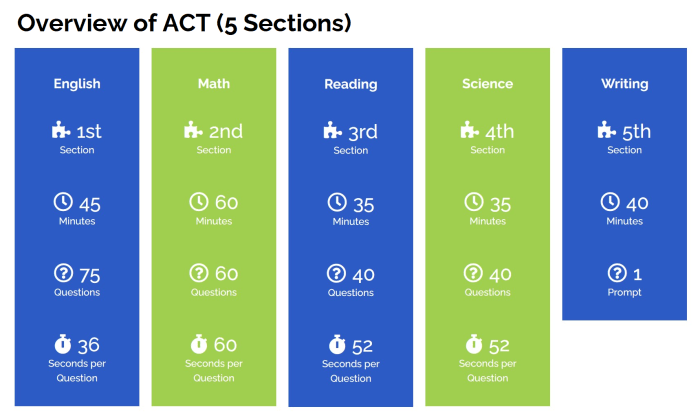
Act sat tests admissions subject college test ppt powerpoint presentation suited which

Formal education and training play a crucial role in preparing for the SAT/ACT exams. These standardized tests require a deep understanding of various academic subjects and test-taking strategies, which can be effectively acquired through structured education and training programs.

Importance of Formal Education and Training

  • Developing a solid foundation: Education and training help students build a strong foundation in key subjects such as Math, English, and Science, which are tested in the SAT/ACT.
  • Improving test-taking skills: Formal preparation equips students with effective test-taking strategies, time management techniques, and familiarity with the exam format.
  • Boosting confidence: Through education and training, students gain confidence in their abilities and feel more prepared to tackle the challenging questions presented in the SAT/ACT.

Key Areas for Improvement

  • Mathematics: Education and training can enhance problem-solving skills, mathematical reasoning, and familiarity with various mathematical concepts tested on the exams.
  • English Language Arts: Focus on grammar rules, vocabulary building, and reading comprehension strategies can significantly improve performance in the English sections of the SAT/ACT.
  • Science: Training in scientific reasoning, data interpretation, and analysis can help students excel in the Science section of the ACT exam.

Benefits of Enrolling in Prep Courses

  • Structured learning environment: Prep courses provide a structured curriculum, study materials, and expert guidance to help students stay on track with their preparation.
  • Personalized feedback: Enrolling in prep courses allows students to receive personalized feedback on their practice tests, essays, and areas of improvement.
  • Access to resources: Prep courses often offer access to practice tests, study guides, and online resources that can supplement self-study efforts and enhance learning.

Education and Reference Materials

When preparing for the SAT/ACT exams, having access to the right educational materials is crucial for success. These materials can include books, online resources, and practice tests, all of which play a significant role in helping students achieve their desired scores.

Role of Educational Materials

  • Books: Traditional study guides and textbooks can provide comprehensive coverage of the exam content, along with practice questions and strategies for tackling different types of problems.
  • Online Resources: Websites and online platforms offer interactive study tools, video lessons, and additional practice questions to reinforce learning and provide a different perspective on challenging topics.
  • Practice Tests: Taking full-length practice tests under timed conditions is essential for building test-taking endurance, identifying weak areas, and improving time management skills.

Tips for Effective Use of Reference Materials

  • Set a study schedule and allocate specific times for using each type of educational material.
  • Use a variety of resources to get a well-rounded understanding of the exam content and different question formats.
  • Review your mistakes and understand why you got certain questions wrong to avoid making the same errors in the future.
  • Stay organized by keeping track of your progress and noting down key concepts or strategies for quick reference.

Comparison of Educational Resources

Resource Type Advantages Disadvantages
Books Comprehensive coverage, offline access, in-depth explanations May become outdated, limited interactivity
Online Resources Interactive tools, video lessons, immediate feedback Internet connection required, may be overwhelming with options
Practice Tests Realistic exam simulation, time management practice Limited explanations, can be stressful

College & University Admission

In the competitive landscape of college and university admissions, SAT/ACT scores play a crucial role in determining the fate of prospective students. These standardized tests are used by institutions as a benchmark to evaluate the academic readiness and potential success of applicants.

Significance of SAT/ACT Scores

SAT/ACT scores hold immense significance in the college admission process as they provide a standardized measure of a student’s academic abilities. These scores offer admissions officers a quick glimpse into a student’s knowledge in key subject areas such as Math, Reading, and Writing.

They help universities compare students from different educational backgrounds on a level playing field.

  • High SAT/ACT scores can open doors to prestigious colleges and universities, increasing the chances of acceptance into competitive programs.
  • Strong SAT/ACT scores can also lead to merit-based scholarships, as many institutions offer financial aid based on academic performance.
  • Furthermore, some colleges use SAT/ACT scores to determine eligibility for honors programs or specialized majors.

Utilizing SAT/ACT Scores for College Applications

To enhance your college application profile and increase your chances of acceptance and scholarships, it’s essential to strategize your approach to SAT/ACT scores. Here’s a plan to make the most of your test results:

  1. Prepare diligently for the exams by utilizing study resources and practice tests to maximize your scores.
  2. Research the average SAT/ACT scores of accepted students at your target colleges and universities to set realistic score goals.
  3. Consider retaking the exams if you believe you can improve your scores, as many institutions superscore or consider your best individual section scores from multiple test sittings.
  4. Showcase your other strengths and accomplishments in extracurricular activities, essays, and recommendation letters to complement your SAT/ACT scores.

Education in Writing & Speaking

In the context of SAT/ACT exams, strong writing and speaking skills are crucial for success. These skills are not only essential for scoring well on the exams but also for academic and professional success in the future. Here, we will discuss the importance of these skills and provide strategies and resources to help students enhance their writing and speaking abilities.

Importance of Strong Writing and Speaking Skills

Strong writing and speaking skills are essential for the SAT/ACT exams as they are designed to assess a student’s ability to communicate effectively and think critically. The writing section of the exams requires students to analyze and evaluate complex arguments, while the speaking section evaluates their ability to articulate ideas clearly and persuasively.

Furthermore, strong writing and speaking skills are highly valued in college and beyond. Students who can express themselves clearly and persuasively are more likely to succeed in their academic pursuits and future careers. Employers often look for candidates who can communicate effectively, making these skills valuable in the job market.

Strategies for Improving Writing and Speaking Abilities

  • Practice regularly: Writing and speaking are skills that improve with practice. Set aside time each day to write essays or speeches and practice speaking in front of a mirror or recording yourself.
  • Read extensively: Reading a variety of materials exposes you to different writing styles and helps you expand your vocabulary. This, in turn, improves your own writing and speaking abilities.
  • Seek feedback: Share your writing with teachers, peers, or tutors to receive constructive feedback. Practice speaking in front of others and ask for feedback on your delivery and clarity.
  • Study grammar and vocabulary: A strong command of grammar and vocabulary is essential for effective writing and speaking. Take the time to study and learn new words and grammar rules.

Resources for Enhancing Writing and Speaking Skills

  1. Writing Center at your school or college: Many schools offer writing centers where students can receive assistance with their writing assignments and projects.
  2. Online writing and speaking courses: Platforms like Coursera, Udemy, and Khan Academy offer a variety of courses to help students improve their writing and speaking skills.
  3. Books on writing and public speaking: Reading books on writing techniques and public speaking can provide valuable insights and tips for improving your skills.
  4. Writing and speaking workshops: Attend workshops or seminars that focus on writing and speaking to gain practical experience and feedback from experts in the field.

Online Learning for SAT/ACT

Sat concordance comparing compassprep scoring

Online learning platforms for SAT/ACT preparation offer numerous benefits for students looking to excel in these standardized tests. These platforms provide flexibility, accessibility, and a wide range of resources to accommodate different learning styles and preferences.

Benefits of Online Learning for SAT/ACT

  • Flexibility: Online learning allows students to study at their own pace and schedule, making it easier to balance test preparation with other commitments.
  • Accessibility: Students can access study materials and practice tests from anywhere with an internet connection, eliminating the need for physical textbooks or resources.
  • Interactive Learning: Online platforms often include interactive quizzes, videos, and simulations to engage students and enhance their understanding of SAT/ACT concepts.
  • Personalized Study Plans: Many online tools offer personalized study plans based on students’ strengths and weaknesses, helping them focus on areas that need improvement.

Catering to Different Learning Styles

Online learning platforms cater to various learning styles through diverse content formats and interactive features. Visual learners can benefit from videos and infographics, while auditory learners may prefer audio recordings or podcasts. Interactive quizzes and practice tests appeal to kinesthetic learners, providing hands-on experience and immediate feedback.

Recommended Online Tools for SAT/ACT Study

  • Khan Academy:Offers free SAT practice tests, video lessons, and personalized study recommendations.
  • The Princeton Review:Provides online courses, practice tests, and study materials for both SAT and ACT preparation.
  • College Board:Official SAT practice platform with real test questions, personalized study plans, and progress tracking tools.
  • ACT Online Prep:Official ACT preparation portal with practice questions, full-length tests, and score reports for self-assessment.

Outcome Summary

As we conclude our exploration of Education and Reference for SAT/ACT, remember that the path to achievement is paved with dedication, hard work, and a thirst for learning. Embrace the opportunities that education provides, and watch as your dreams transform into reality through your unwavering commitment to excellence.

Empowering Customer Relations: The Essence of Education and Training

Improving

With Education and training for customer relations at the forefront, this paragraph opens a window to an amazing start and intrigue, inviting readers to embark on a storytelling spiritual motivation teaching style filled with unexpected twists and insights.

In today’s dynamic business landscape, the foundation of strong customer relations lies in the continuous education and training of individuals. This process not only enhances essential skills but also fosters a deeper understanding of customer needs and expectations. Let’s delve into the transformative journey of education and training in customer relations.

Importance of Education and Training in Customer Relations

Education and training play a crucial role in developing effective customer relations. By equipping employees with the necessary knowledge and skills, organizations can ensure that their customer service is top-notch and customer satisfaction is maximized.

Enhancing Customer Service Skills

  • Education and training programs help employees understand the importance of customer service and how their role impacts the overall customer experience.
  • Through training, employees learn how to actively listen to customers, empathize with their needs, and provide solutions effectively.
  • By improving product knowledge and service procedures, employees can handle customer inquiries and issues more efficiently, leading to higher customer satisfaction rates.

Enhancing Communication and Problem-Solving Abilities

  • Education enhances communication skills by teaching employees how to effectively communicate with customers, whether in person, over the phone, or through written correspondence.
  • Training in problem-solving equips employees with the tools to handle challenging situations, de-escalate conflicts, and find solutions that meet customer needs.
  • By developing critical thinking skills, employees can think on their feet and provide quick resolutions to customer issues, building trust and loyalty in the process.

Types of Education and Training Programs for Customer Relations

Foster maintain

Education and training programs for customer relations come in various forms to cater to different learning styles and preferences. These programs aim to equip individuals with the necessary skills and knowledge to effectively engage with customers and provide excellent service.

Online Learning vs. Traditional Classroom Training

Online learning has become increasingly popular due to its convenience and flexibility. It allows individuals to access course materials and complete assignments at their own pace, making it ideal for those with busy schedules. On the other hand, traditional classroom training offers face-to-face interaction with instructors and peers, providing a more immersive learning experience.

Both methods have their advantages and can be effective in developing customer service skills.

Specialized Training Programs

Specialized training programs tailored for customer relations focus on specific aspects of customer service, such as conflict resolution, communication skills, and problem-solving. These programs provide in-depth training on key areas relevant to customer interactions, allowing individuals to develop expertise in handling various customer-related scenarios.

By honing these specialized skills, professionals can better meet the needs of customers and enhance overall satisfaction.

Skills Developed through Education and Training in Customer Relations

Improving

Education and training in customer relations play a crucial role in developing essential skills that are vital for successful interactions with customers. These skills not only enhance the overall customer experience but also contribute to building long-lasting relationships with clients.

Enhanced Empathy and Active Listening Skills

Empathy and active listening are key components of effective communication in customer relations. Through education and training programs, individuals learn how to put themselves in the shoes of the customers, understand their needs, and respond with empathy. Training sessions often include role-playing exercises and real-life scenarios to help employees practice active listening and empathetic responses.

For example, customer service representatives may be trained to listen actively to customer complaints without interrupting, showing genuine concern, and offering solutions that address the customer’s needs.

Handling Difficult Customers and Resolving Conflicts Effectively

Education in customer relations equips individuals with the necessary skills to handle challenging situations with grace and professionalism. Training programs often include modules on conflict resolution, where employees learn techniques to de-escalate tense situations, address customer complaints effectively, and find mutually beneficial solutions.

By understanding the root cause of conflicts and practicing effective communication strategies, employees are better equipped to handle difficult customers and turn negative experiences into positive ones. Education also helps individuals develop problem-solving skills and the ability to think on their feet, crucial for resolving conflicts in a timely and efficient manner.

Implementing Education and Training in Organizations

Implementing education and training programs within a company’s customer service department is crucial for enhancing customer relations and ensuring customer satisfaction. It requires a well-thought-out plan, effective evaluation measures, and strategies for continuous learning and development.

Integrating Education and Training Programs

To integrate education and training programs within a company’s customer service department, the following steps can be taken:

  • Identify the specific needs and goals of the customer service team.
  • Develop a comprehensive training curriculum that addresses these needs and aligns with the company’s values and objectives.
  • Implement a variety of training methods, such as workshops, seminars, online courses, and on-the-job training, to cater to different learning styles.
  • Assign dedicated trainers or mentors to oversee the training process and provide continuous support and feedback to employees.
  • Evaluate the effectiveness of the training programs regularly and make necessary adjustments to improve outcomes.

Evaluating Effectiveness of Education and Training Initiatives

To evaluate the effectiveness of education and training initiatives for customer relations, organizations can:

  • Collect feedback from employees who have undergone training to assess their knowledge retention and skill application.
  • Measure key performance indicators related to customer service, such as customer satisfaction scores, response times, and resolution rates.
  • Conduct surveys or interviews with customers to gauge their perception of the quality of service provided by trained employees.
  • Analyze data on customer complaints and escalations to identify any trends or patterns that may indicate areas for improvement.

Strategies for Continuous Learning and Development

To ensure ongoing improvement in customer service, organizations can implement the following strategies:

  • Encourage employees to participate in regular training sessions and workshops to enhance their skills and knowledge.
  • Provide opportunities for employees to shadow experienced team members or attend industry conferences to stay updated on best practices and trends.
  • Establish a mentorship program where senior employees can guide and support junior staff in their professional growth and development.
  • Reward and recognize employees who demonstrate exceptional customer service skills and go above and beyond to meet customer needs.

Final Review

As we conclude this insightful exploration of education and training for customer relations, remember that the path to exceptional customer service is paved with dedication, continuous learning, and a genuine desire to connect with others. By embracing education and training, you not only elevate your skills but also uplift the overall customer experience.

Let your commitment to growth and improvement shine through in every interaction.